How to Calculate Formal Charge

Formal Charge Calculator

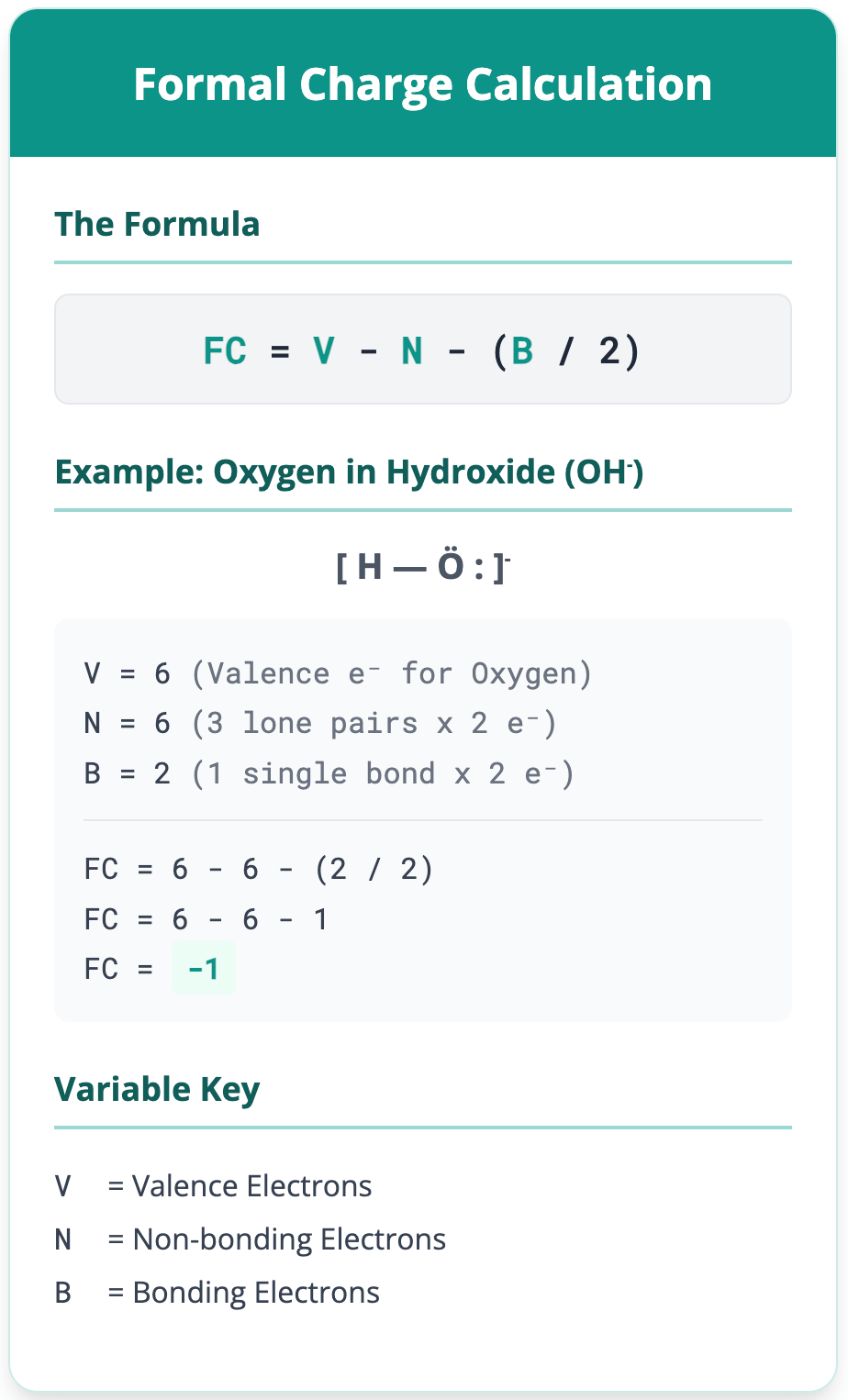
Formal charge is a useful concept in chemistry for determining how electrons are distributed among the atoms in a Lewis structure. It helps us evaluate whether a Lewis structure is reasonable and identify the most stable resonance structure. What Is Formal Charge? Formal charge is the hypothetical charge assigned to an atom in a molecule … Read more
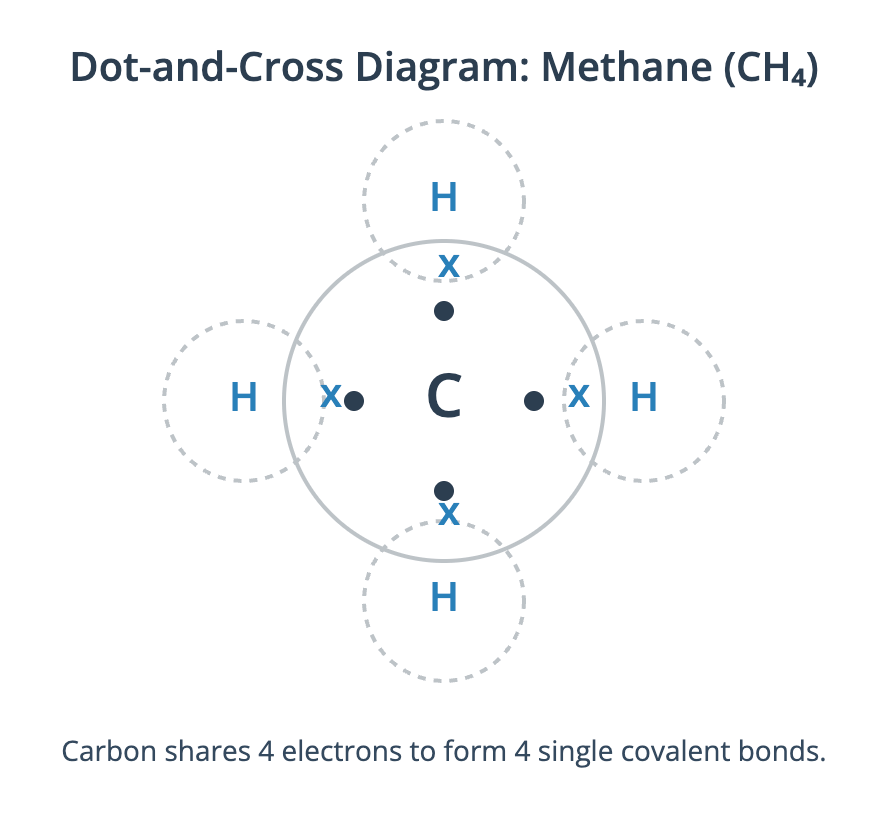
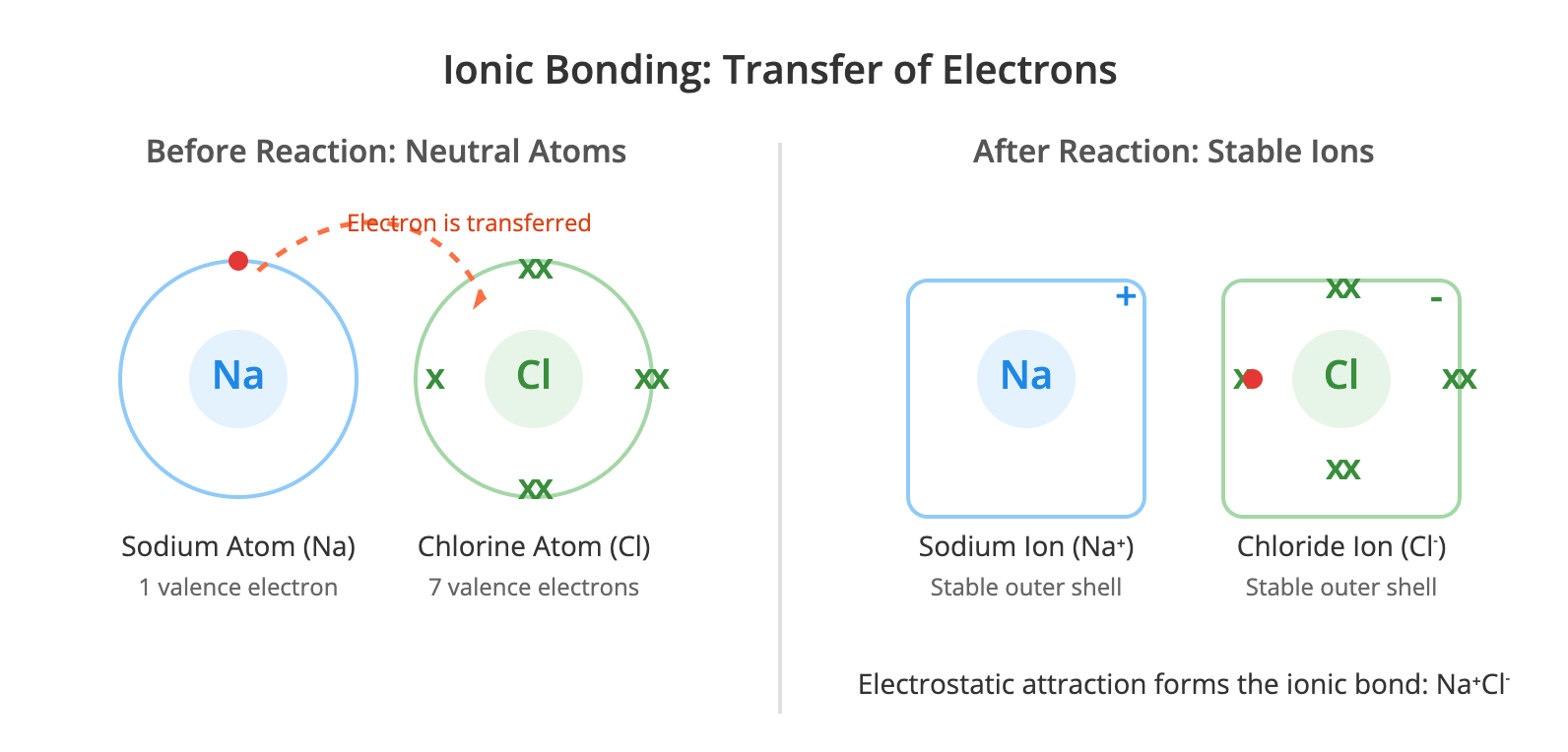
Types of Bonding Revision Notes | CIE | A-Level Chemistry

Ionic bonding

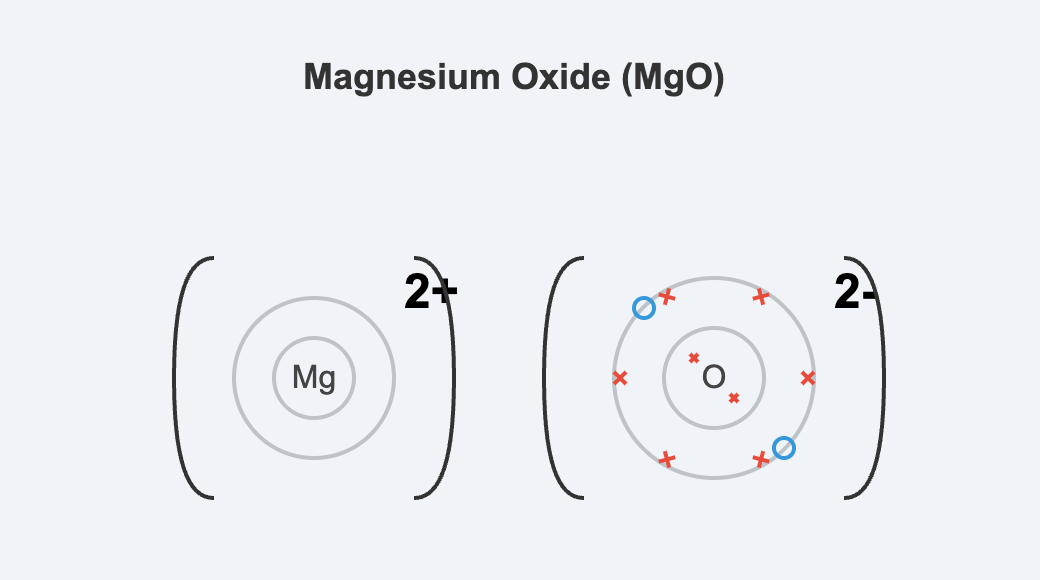
Ionic Bonding Ionic bonding is the electrostatic force of attraction between positively charged ions (cations) and negatively charged ions (anions), which are arranged in a giant crystal lattice. This type of bonding typically occurs between metals and non-metals. Metal atoms lose their outer shell electrons to form stable, positively charged ions, achieving the electronic configuration … Read more

Solutions and Concentrations Revision Notes | CIE | A-Level

Solutions and Concentrations Revision Notes

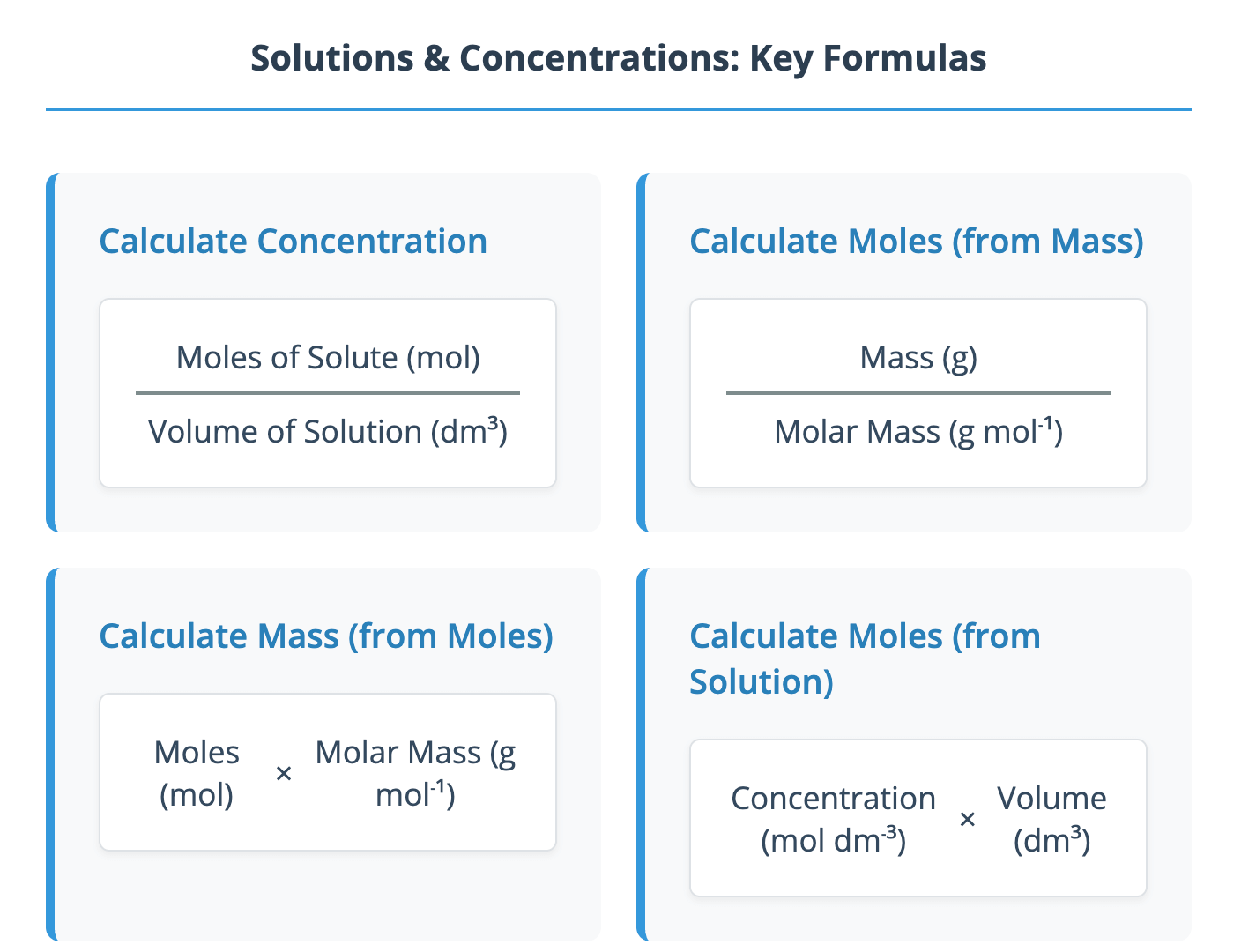
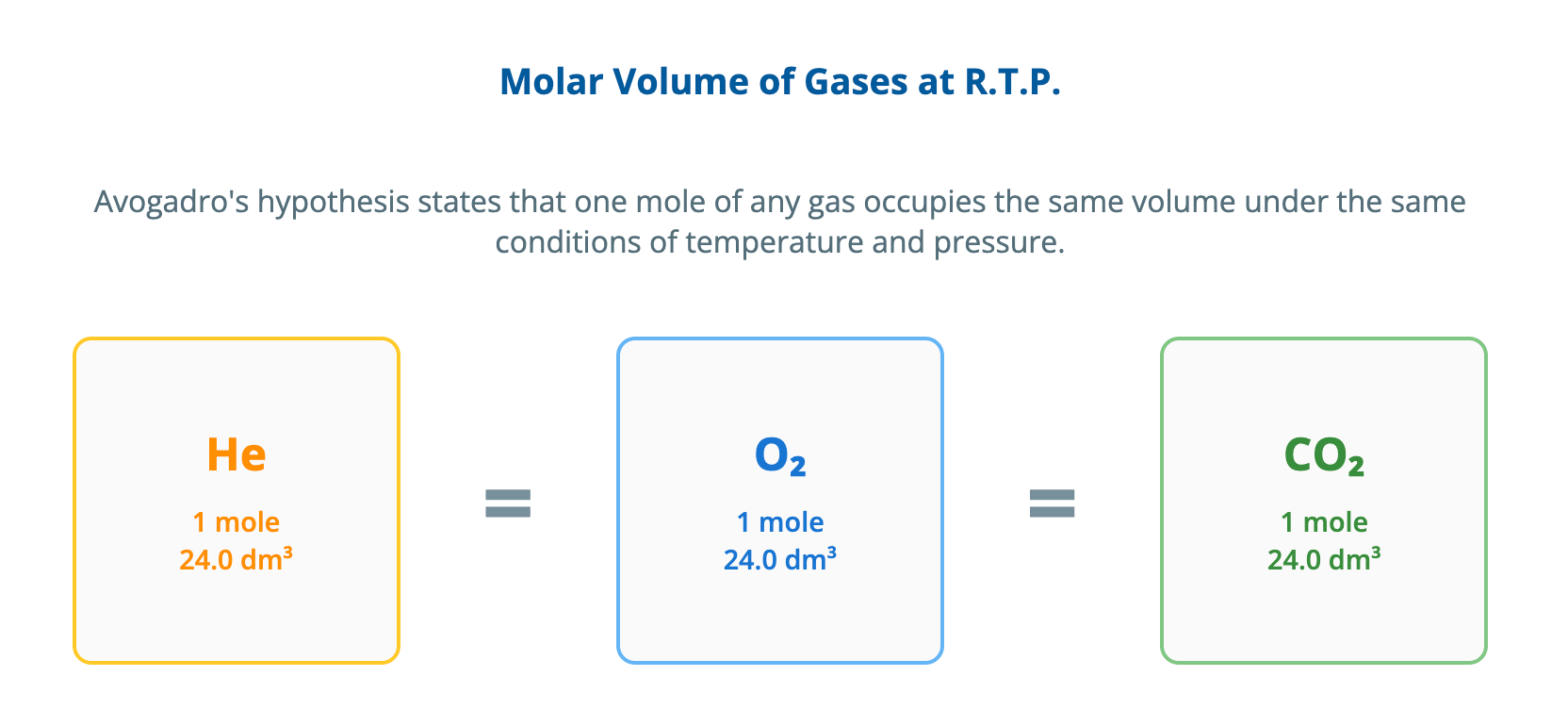
Defining Concentration The concentration of a solution is a measure of the amount of solute dissolved in a specific volume of solvent, which is typically water in A-Level Chemistry. The standard unit for concentration is moles per cubic decimetre (mol dm⁻³). It is important to remember the conversion between cubic centimetres (cm³) and cubic decimetres … Read more

Empirical and Molecular Formulae Notes | CIE | A-Level Chemistry

Empirical and Molecular Formulae Notes

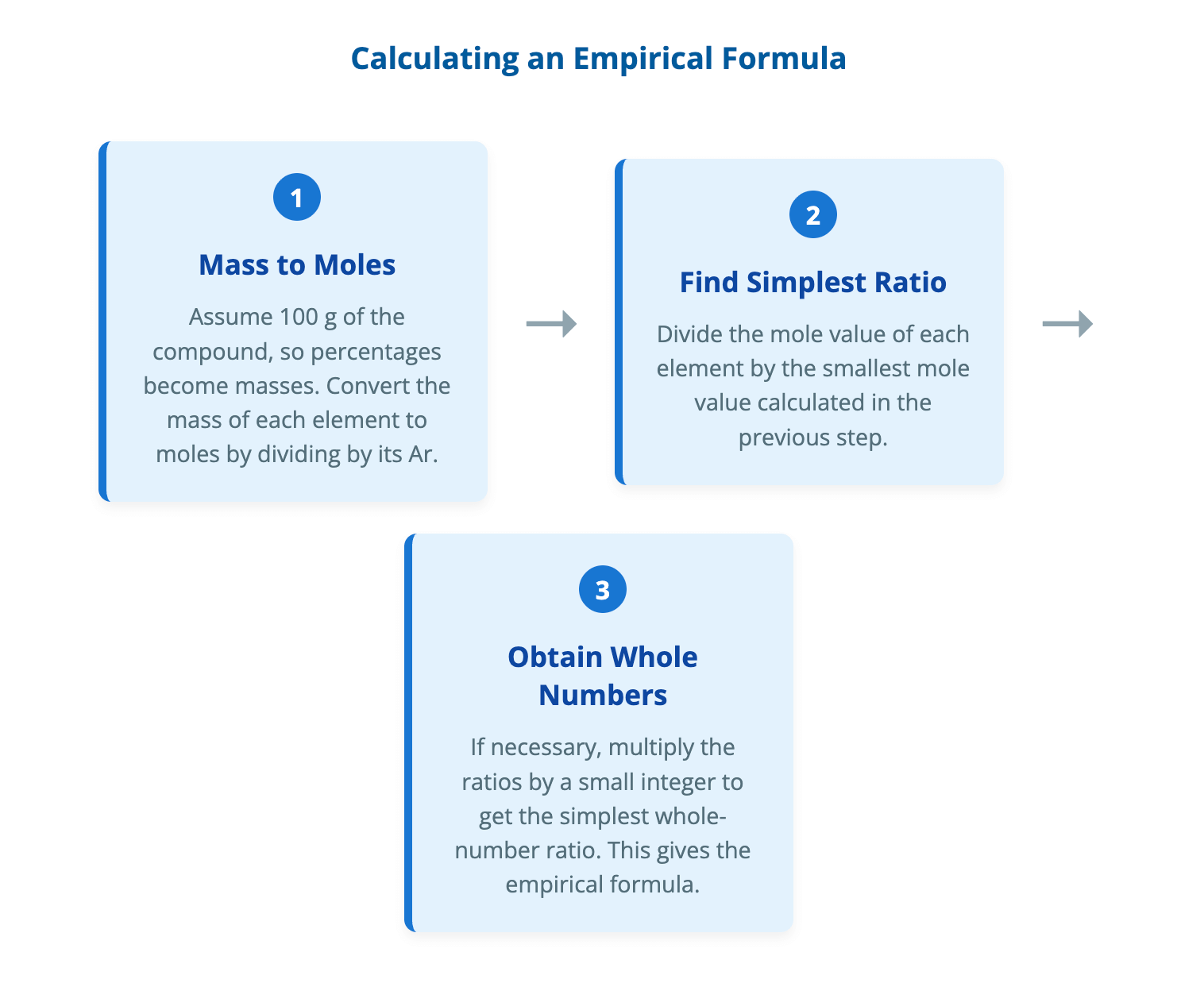
The formula of a compound provides essential information about the elements it contains and the ratio in which they are present. There are two main types of chemical formulae used to describe the composition of a molecule: the empirical formula and the molecular formula. Defining Chemical Formulae Understanding the distinction between an empirical and a … Read more