Topic 1.1: Mole Conversion Worksheet

Topic 1.1: Mole Conversion Worksheet
How to Use This Worksheet Work through the sections in order. Section A checks the ideas, Section B builds the calculation method, and Section C mixes everything the way an exam would. Use a periodic table and a calculator. Show every step of your working, use dimensional analysis, and let the units cancel so you … Read more
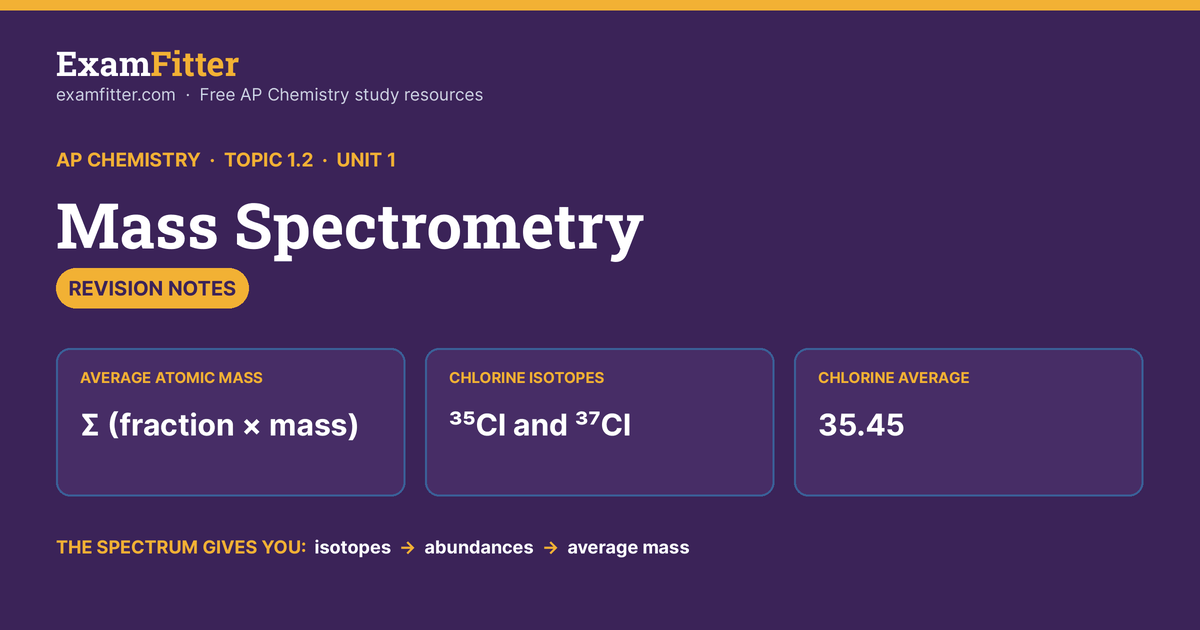
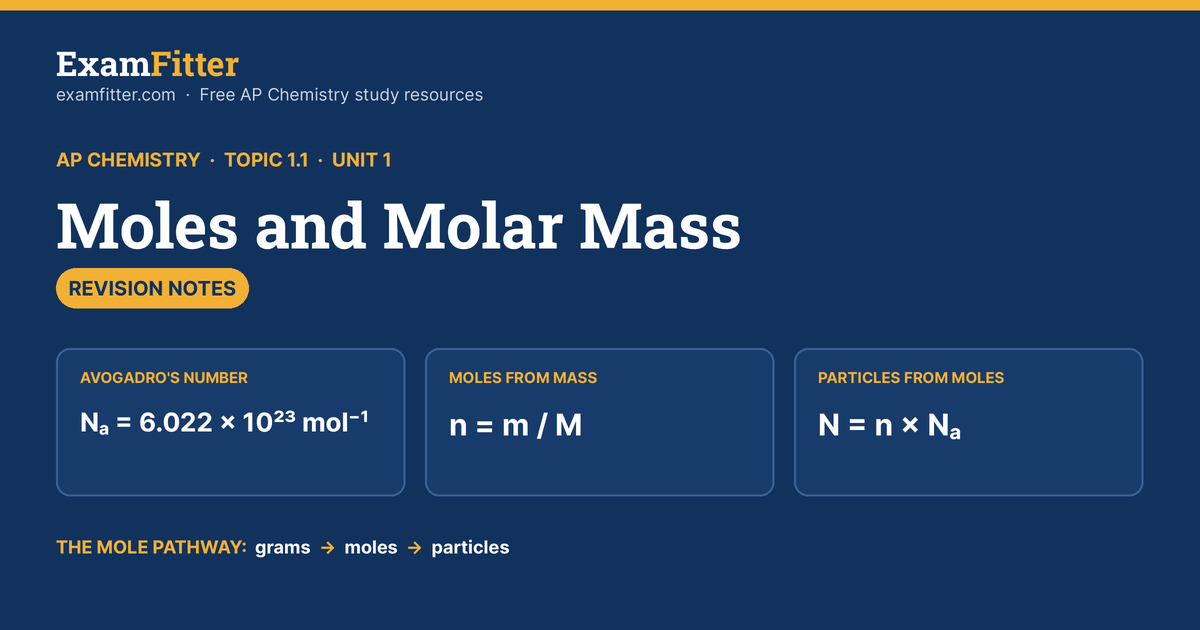
Topic 1.1: Mole Conversion Revision Notes

Topic 1.1: Mole Conversion Revision Notes

The Mole: Counting Particles You Cannot See Atoms and molecules are far too small to count one by one, yet chemistry constantly needs to know how many of them are reacting. The mole solves this by counting particles in bulk. One mole of any substance contains exactly 6.022 × 10²³ representative particles. This fixed number … Read more

Topic 2.7: VSEPR and Hybridization Quiz

VSEPR and Hybridization Quiz

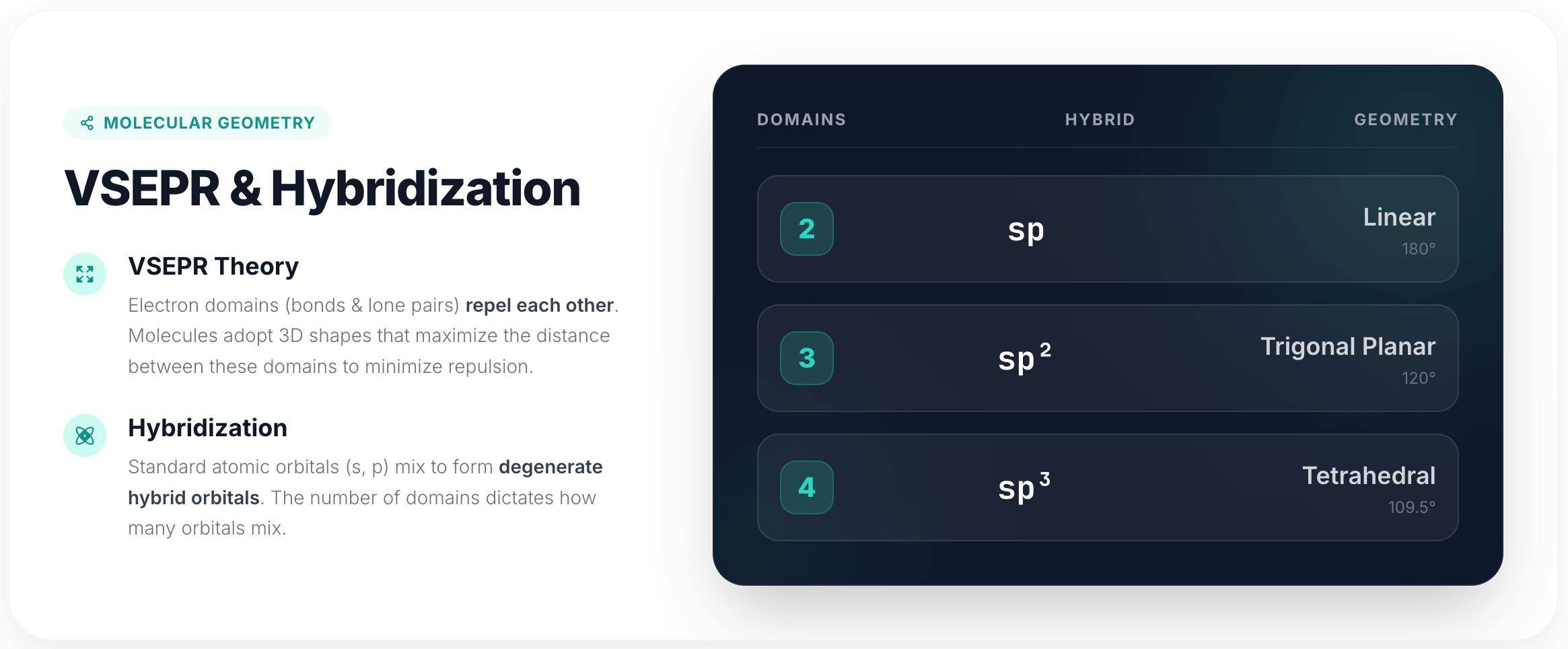
Prepare for AP Chemistry Topic 2.7 with this free practice quiz. Test your understanding of molecular geometry, bond angles, and orbital hybridization to maximize your AP score. From a Lewis Diagram to a Three Dimensional Structure A Lewis diagram is flat, but a molecule is not. VSEPR theory turns the diagram into a three dimensional … Read more

Topic 2.6: Resonance and Formal Charge Quiz

Resonance and Formal Charge Quiz

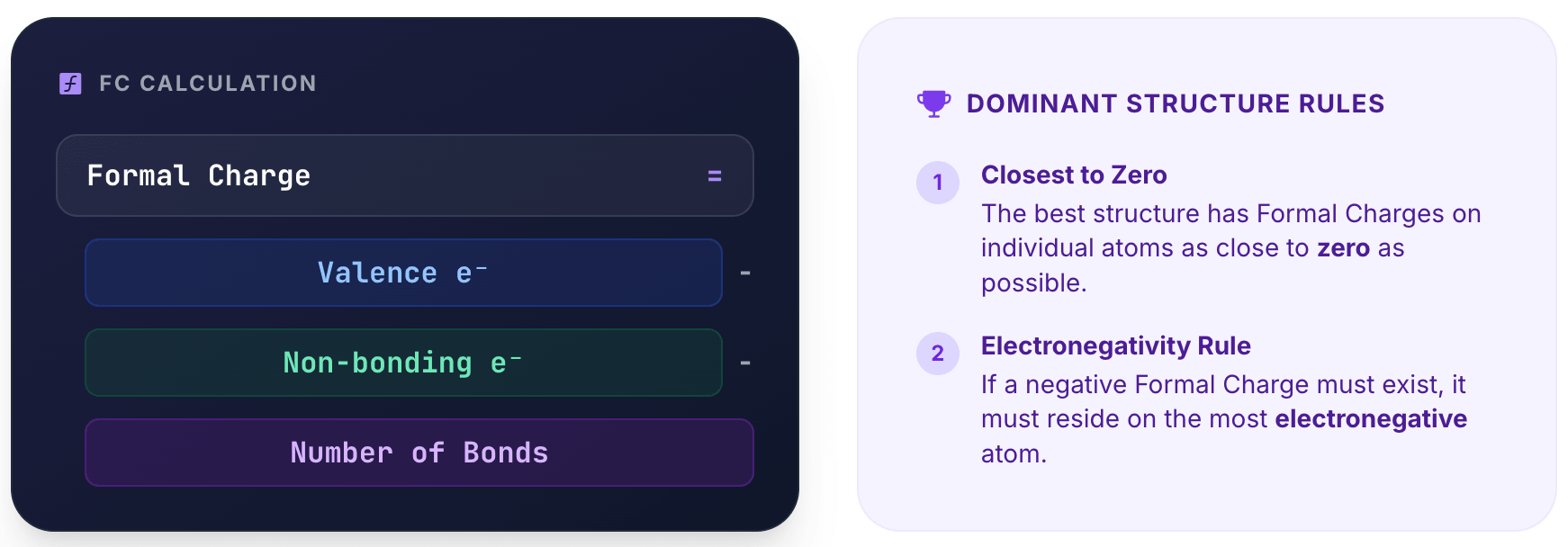
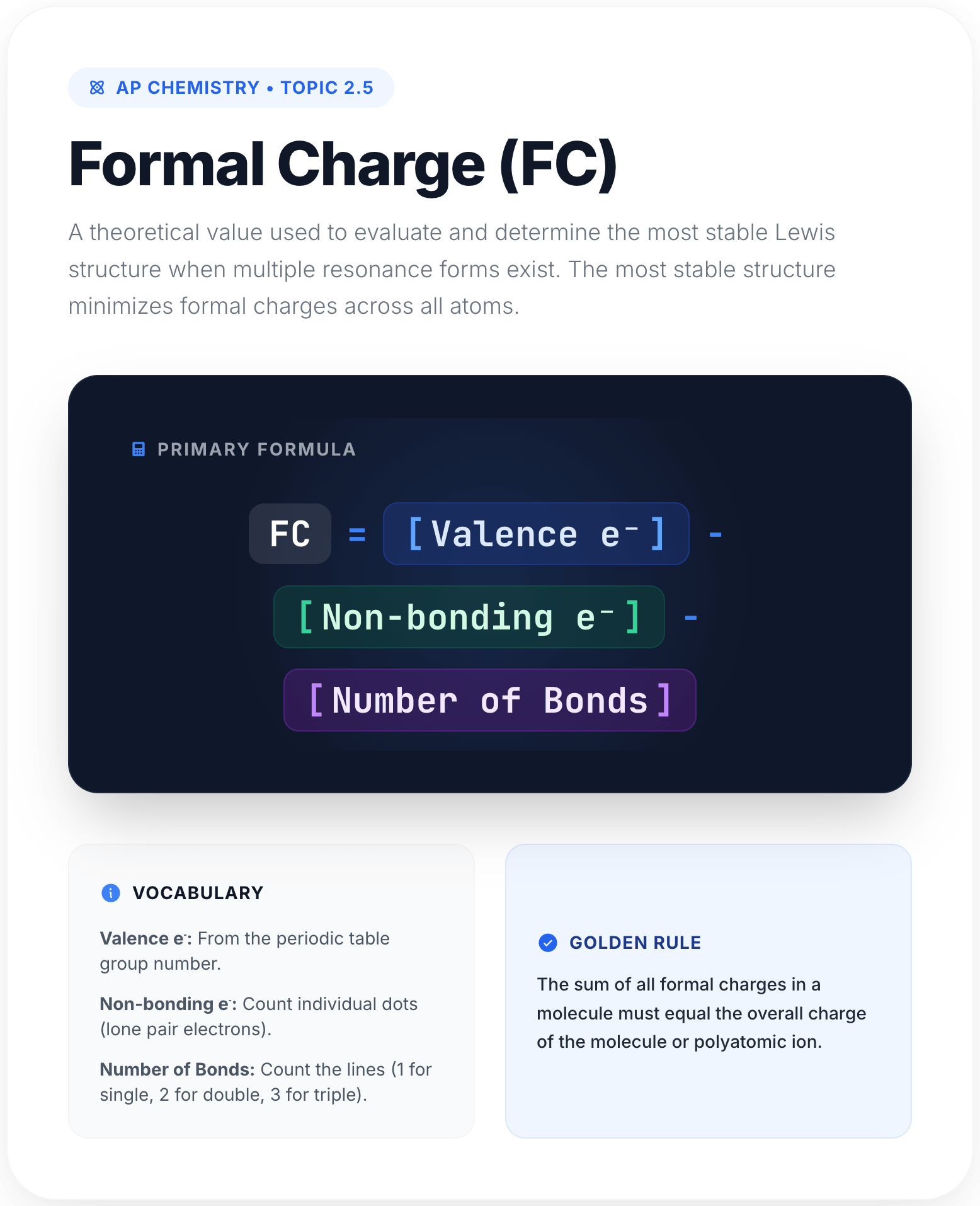
Prepare for AP Chemistry Topic 2.6 with this free practice quiz. Test your understanding of resonance structures and use formal charge calculations to determine the most stable molecular arrangement. When One Lewis Diagram Is Not Enough Some species cannot be represented honestly by a single Lewis diagram. Draw carbonate, CO₃²⁻, by the Topic 2.5 sequence … Read more

Topic 2.5: Lewis Diagrams Quiz

Lewis Diagrams Quiz

Prepare for AP Chemistry Topic 2.5 with this free practice quiz. Test your ability to draw accurate Lewis electron-dot structures and obey the octet rule to maximize your AP score. What a Lewis Diagram Shows A Lewis diagram is a map of the valence electrons in a molecule or polyatomic ion. Every valence electron the … Read more

Topic 2.4: Structure of Metals and Alloys Quiz

Structure of Metals and Alloys Quiz

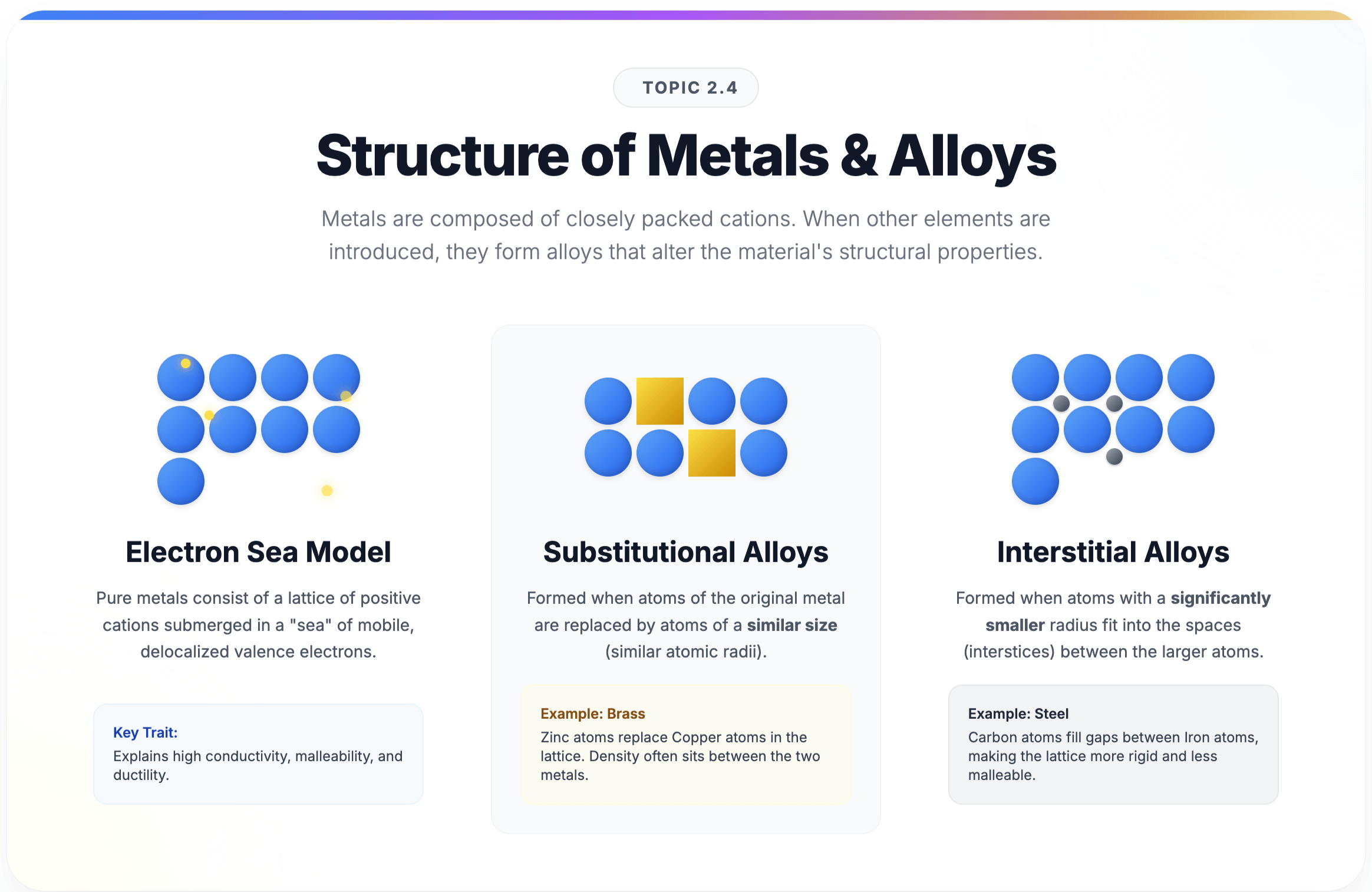
Prepare for AP Chemistry Topic 2.4 with this free practice quiz. Test your understanding of the electron sea model, interstitial alloys, and substitutional alloys to maximize your AP score. The Electron Sea Model A solid metal is a regular lattice of positive metal ions surrounded by a sea of delocalized valence electrons. Each metal atom … Read more

Topic 2.3: Structure of Ionic Solids Quiz

Structure of Ionic Solids Quiz

Prepare for AP Chemistry Topic 2.3 with this free practice quiz. Test your understanding of crystal lattices, ionic radii, and cleavage planes to maximize your AP score. The Ionic Lattice An ionic solid is not a collection of separate molecules. The ions pack into a crystal lattice: a regular, repeating three dimensional arrangement that extends … Read more

Topic 2.2: Intramolecular Force and Potential Energy Quiz

Intramolecular Force and Potential Energy Quiz

Prepare for AP Chemistry Topic 2.2 with this free practice quiz. Test your understanding of potential energy diagrams, bond length, and bond energy to maximize your AP score. The Potential Energy Curve Bring two atoms slowly toward each other and track the potential energy of the pair. Far apart, they barely interact and the energy … Read more

Topic 2.1: Types of Chemical Bonds Quiz

Topic 2.1: Types of Chemical Bonds Quiz

Prepare for AP Chemistry Topic 2.1 with this free practice quiz. Test your understanding of ionic, covalent, and metallic bonds, and how electronegativity differences determine bond character to maximize your AP score. Why Bonds Form At All Atoms bond because the bonded arrangement has lower potential energy than the separated atoms. Electrons and nuclei arrange … Read more